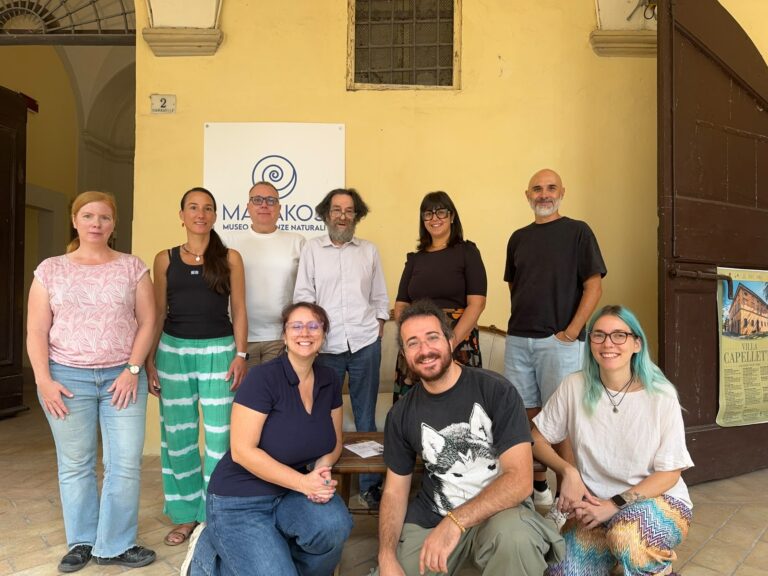
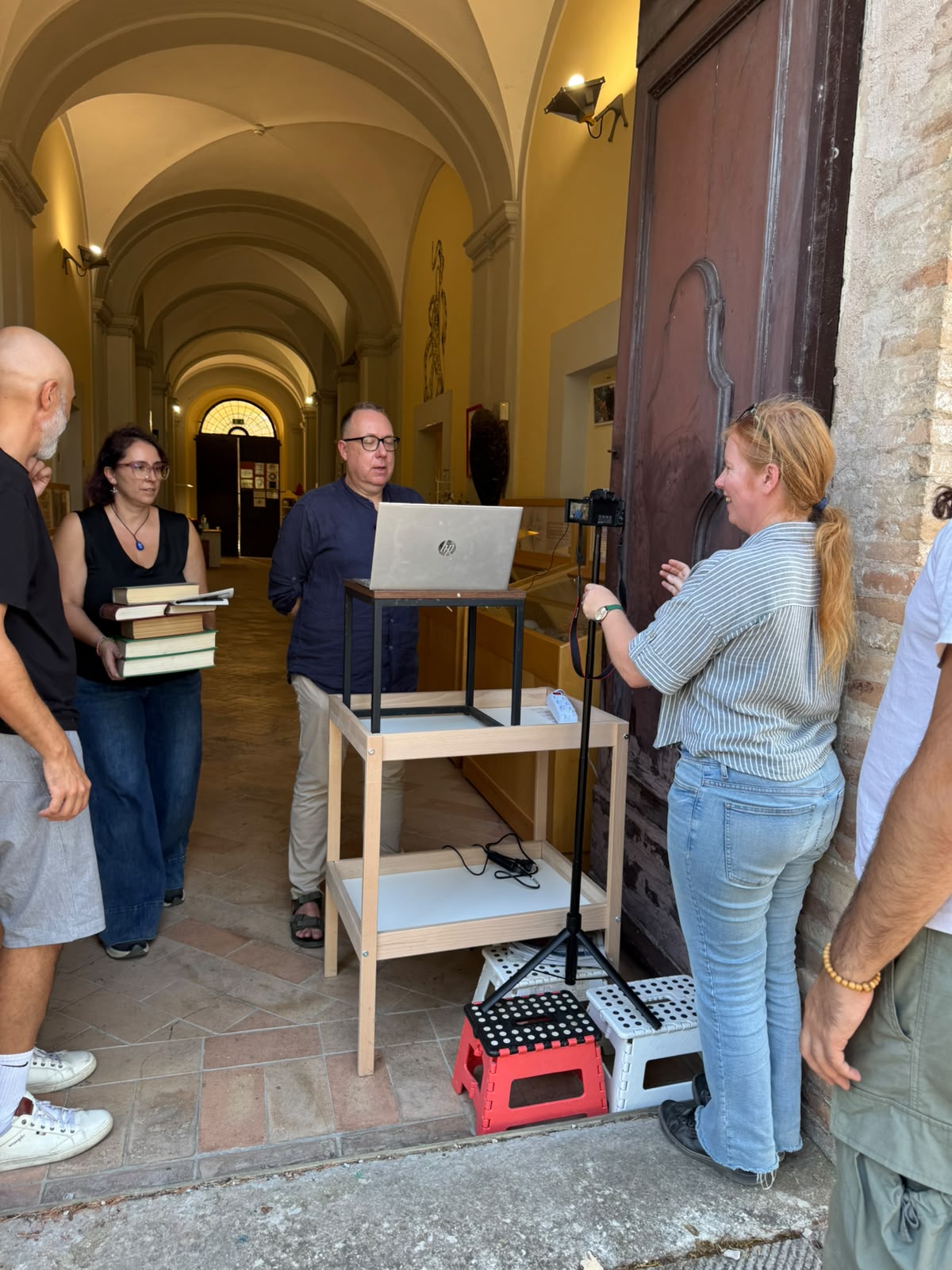
Mediate your Future team in front of Malakos Museum with its founder (standing third from the right), photo by Malakos
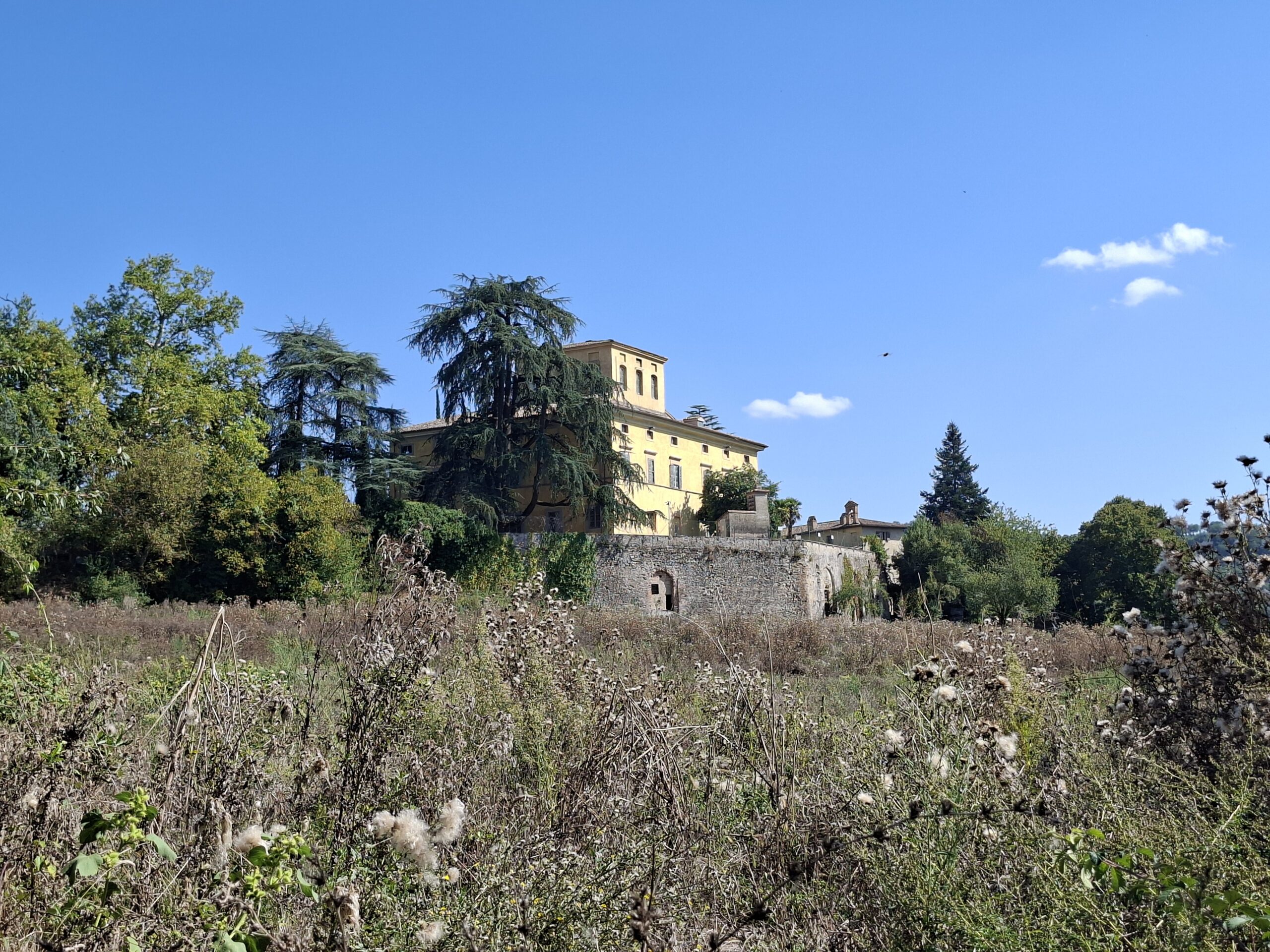
Città di Castello is an Italian city, far from the main tourist routes. Situated in the mountains, by the Tiber river, which takes its source not far away from here. Its charm lies in a calm, quiet atmosphere and heritage rooted in the city’s DNA. Pliny the Elder, an ancient Roman historian, had his villa in this area, and Raphael, a Renaissance artist, painted his early works here. It was then a perfect setting for discussing the Mediate your Future project, which is all about heritage and cultural mediation.
Malakos Museum
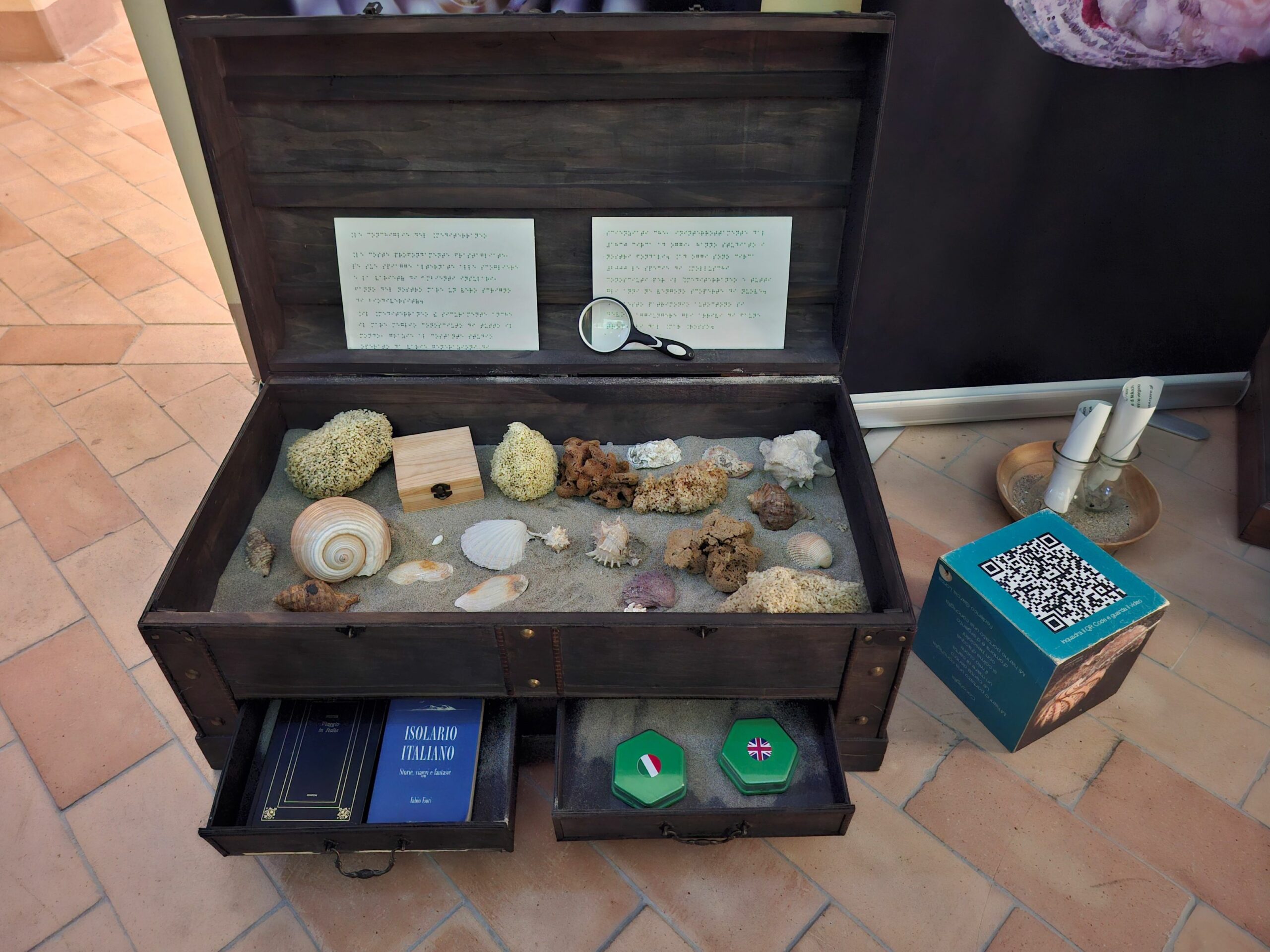
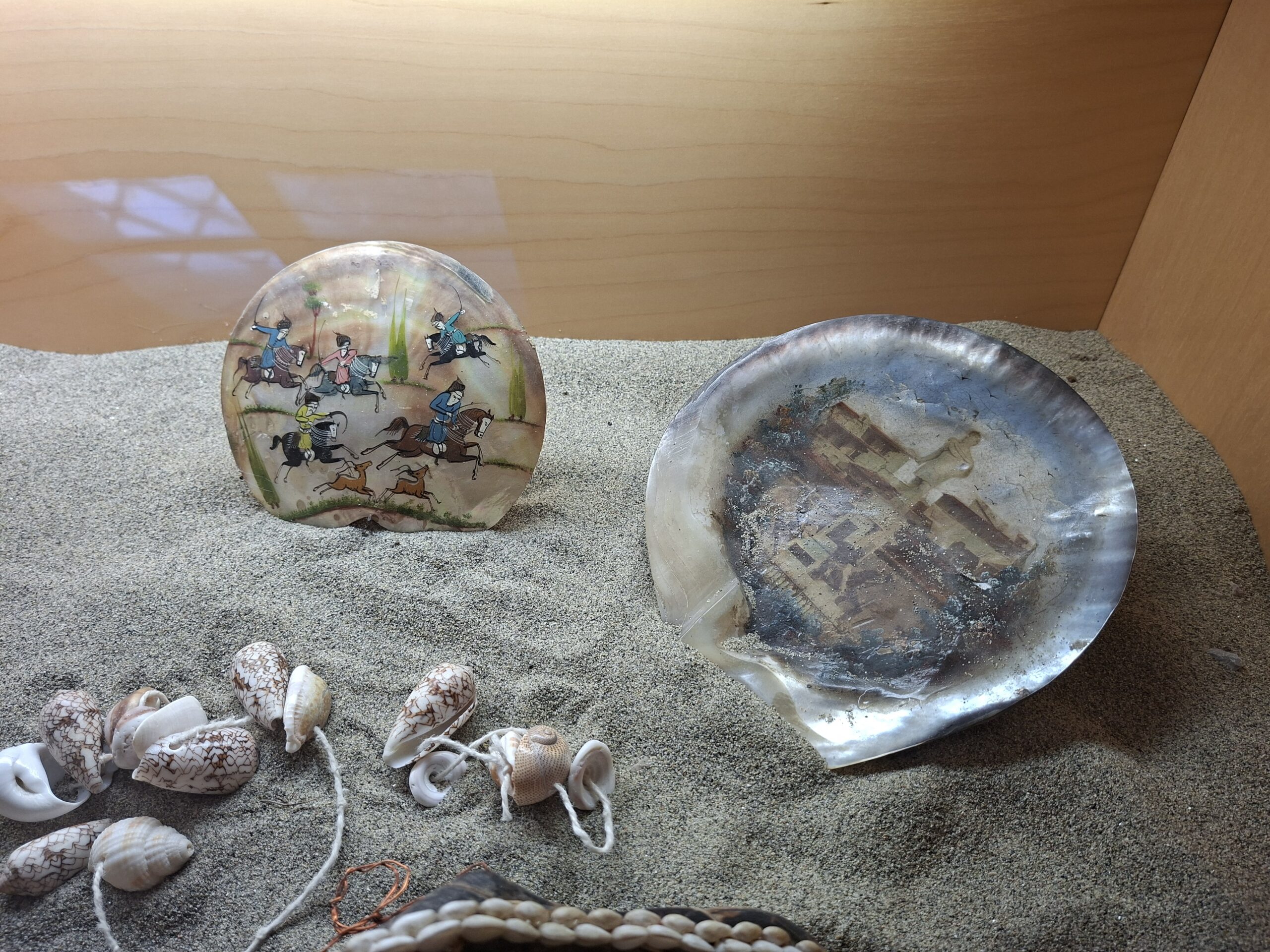
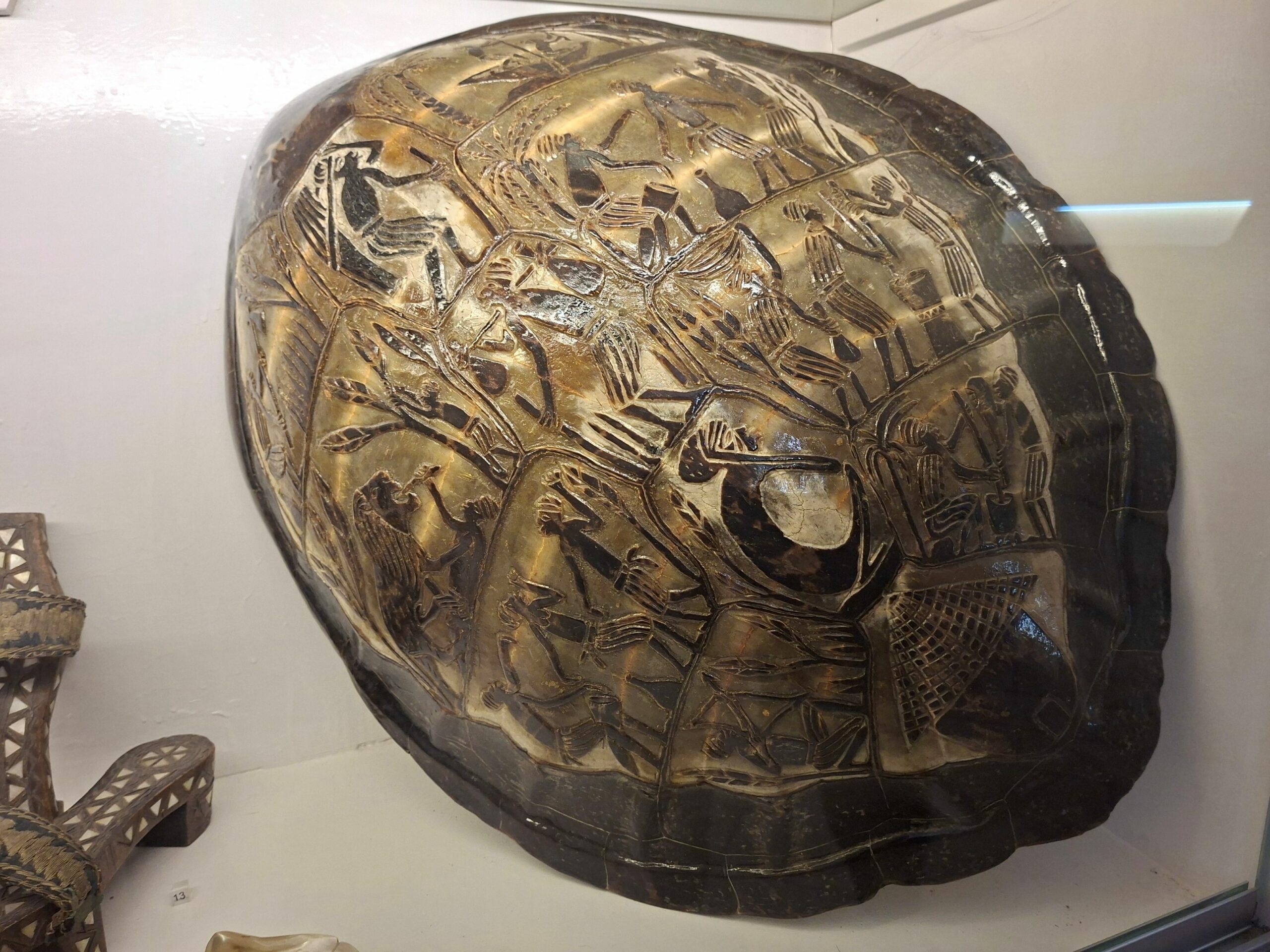
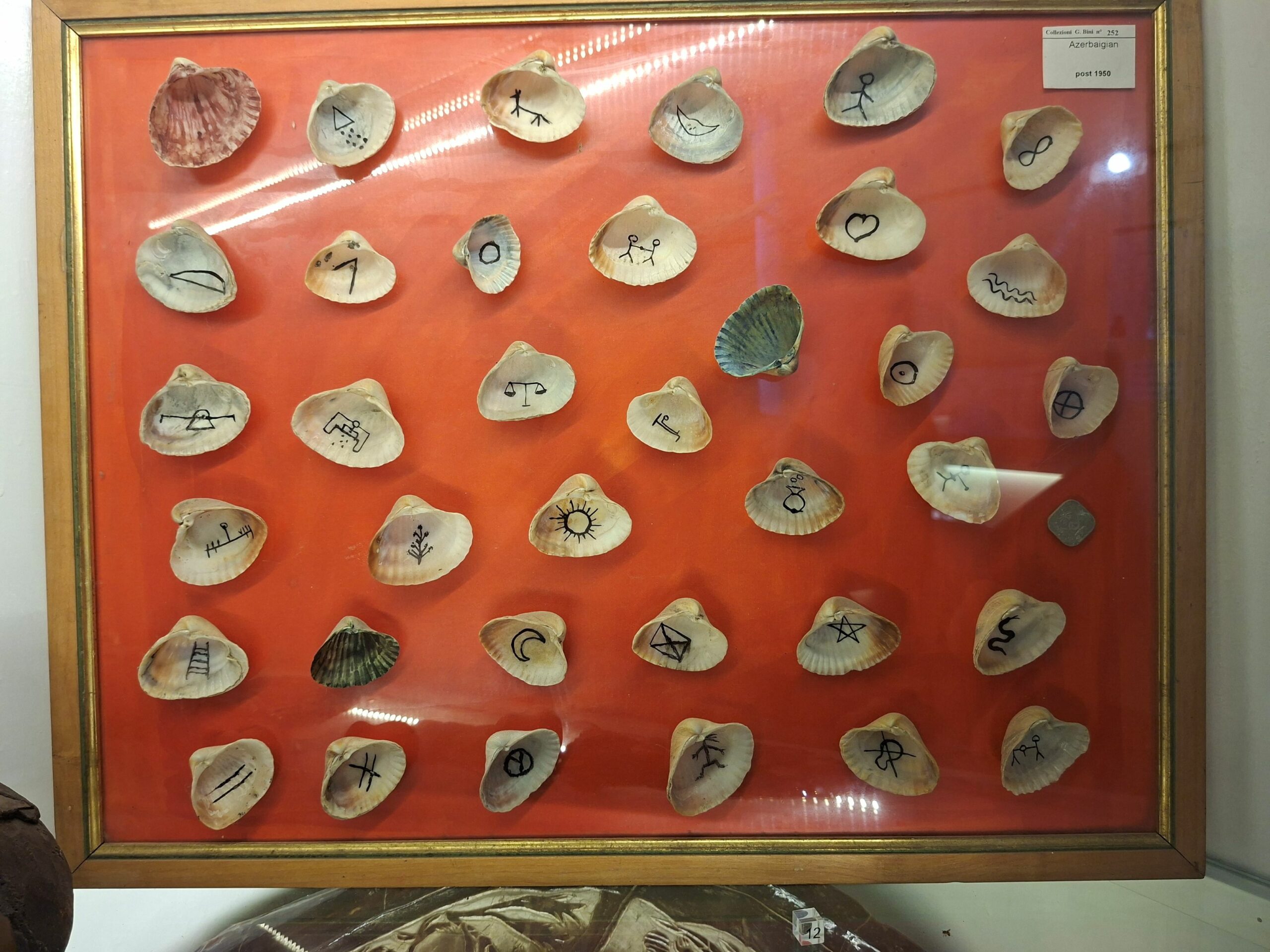
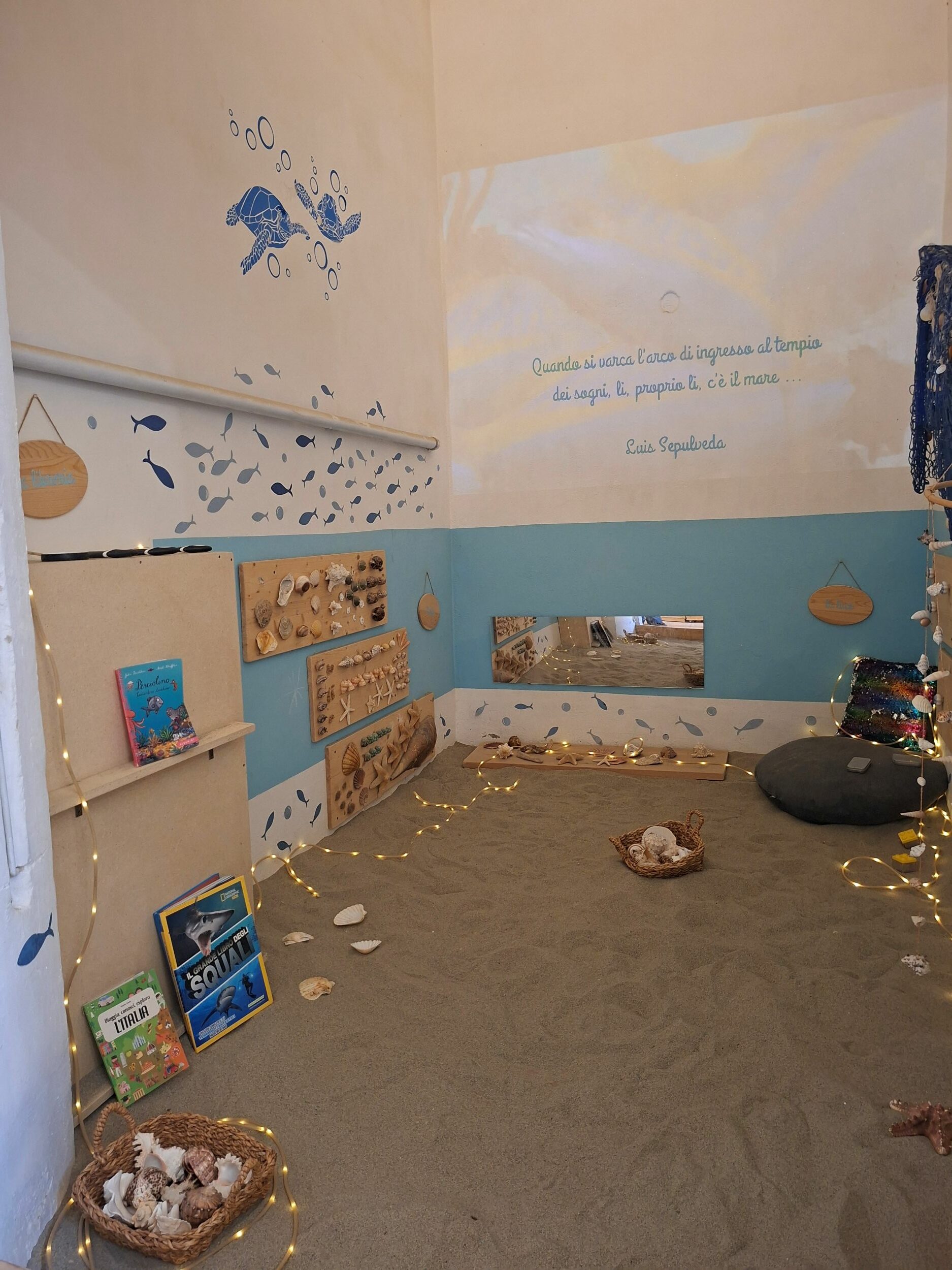
The meeting took place in the Malakos Museum – a museum of shells. A place founded by a private collector, Gianluigi Bini, who donated to the city his shell collection and villa, where the museum is now located. The permanent exhibition features shells of all colours and sizes. Some of them were used to predict the future, while others served as an artist’s background for a painting. The museum cooperates with customs officers and police, who deposit here specimens of marine fauna and flora found during inspections. This is why the Malakos team developed special workshops for schools on the harmfulness of smuggling animals, plants and animal and plant products to nature. Malakos also prepared a sensory exhibition and sensory room, where (not only) the youngest visitors can take their shoes off and discover the richness of under-the-sea world.
Mediate your Future – the first insights into results
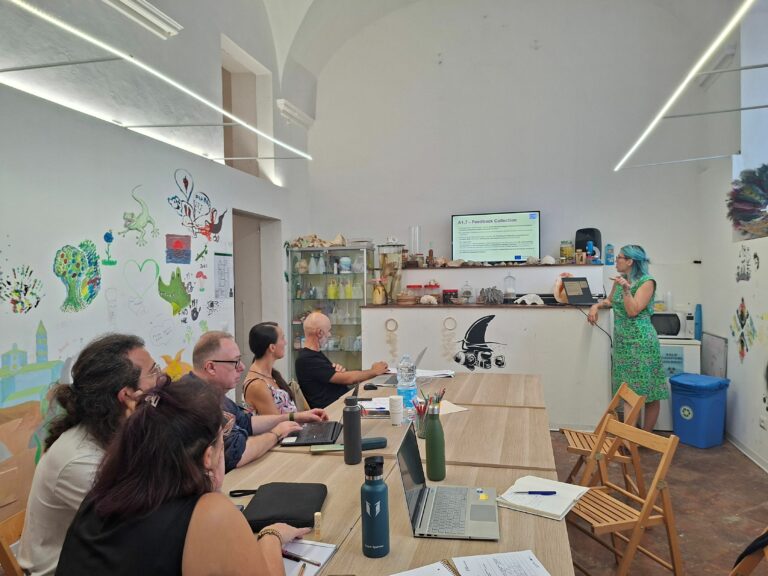
The meeting took place from 7 to 9 September. Those two days gave us time to discuss everything we did over the past 20 months, including the assessment tool, the online course, the Best Practices Guide and youth-led initiatives – cultural mediation projects prepared and run by young people from France, Italy and Poland. We are very proud to see that preliminary testing and feedback show the resources we created through the project are truly useful. As one participant wrote in the online course post-assessment questionnaire: I really enjoyed the practical examples and the step-by-step approach of the course. It helped me understand cultural mediation, project planning, communication and teamwork better. The case studies and interactive elements made the learning process more engaging. It would be great to include more real-life project examples and practical exercises in future editions.
Mediate your Future team meeting, photo by ELAN
Sharing our experience
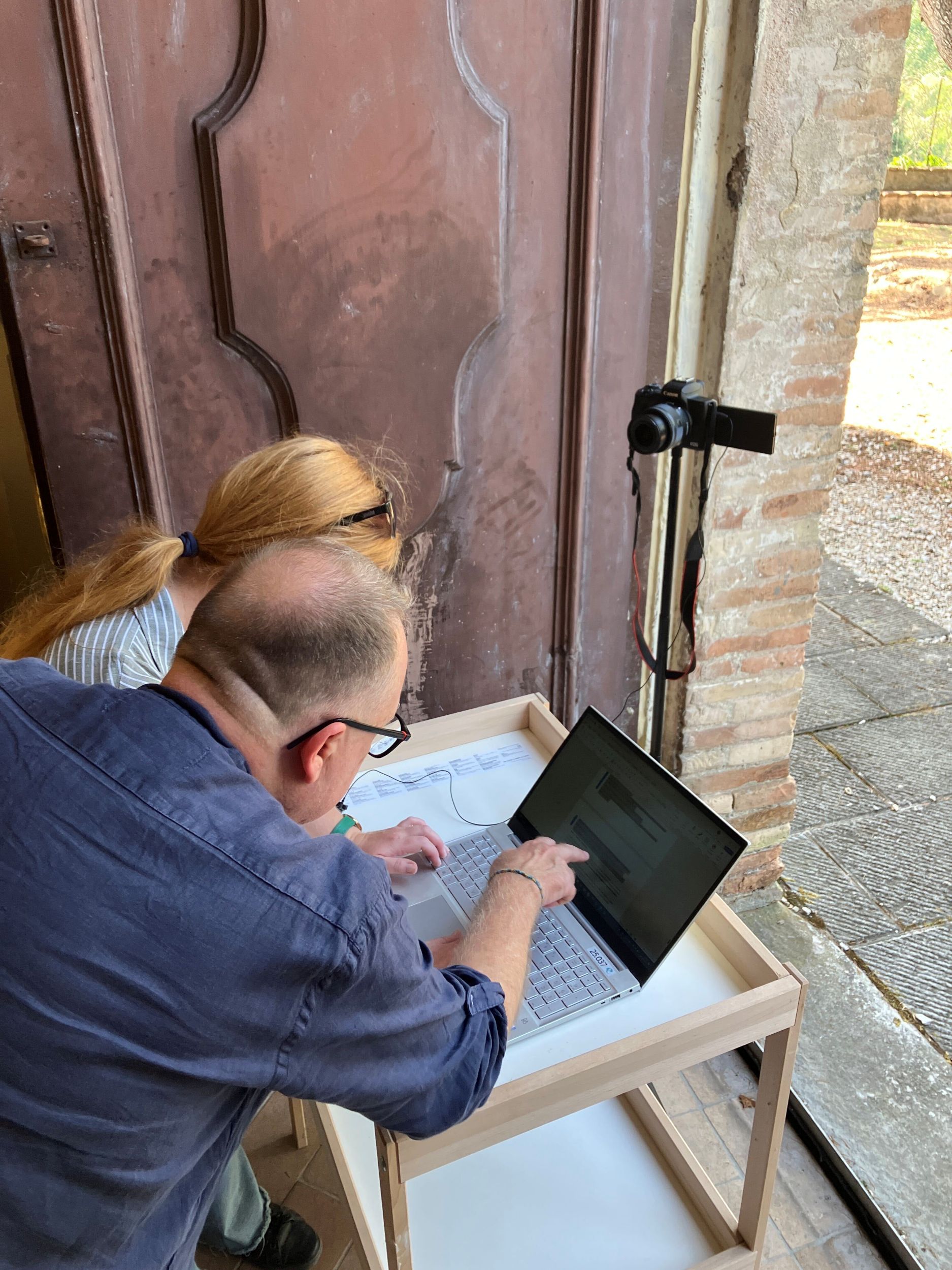
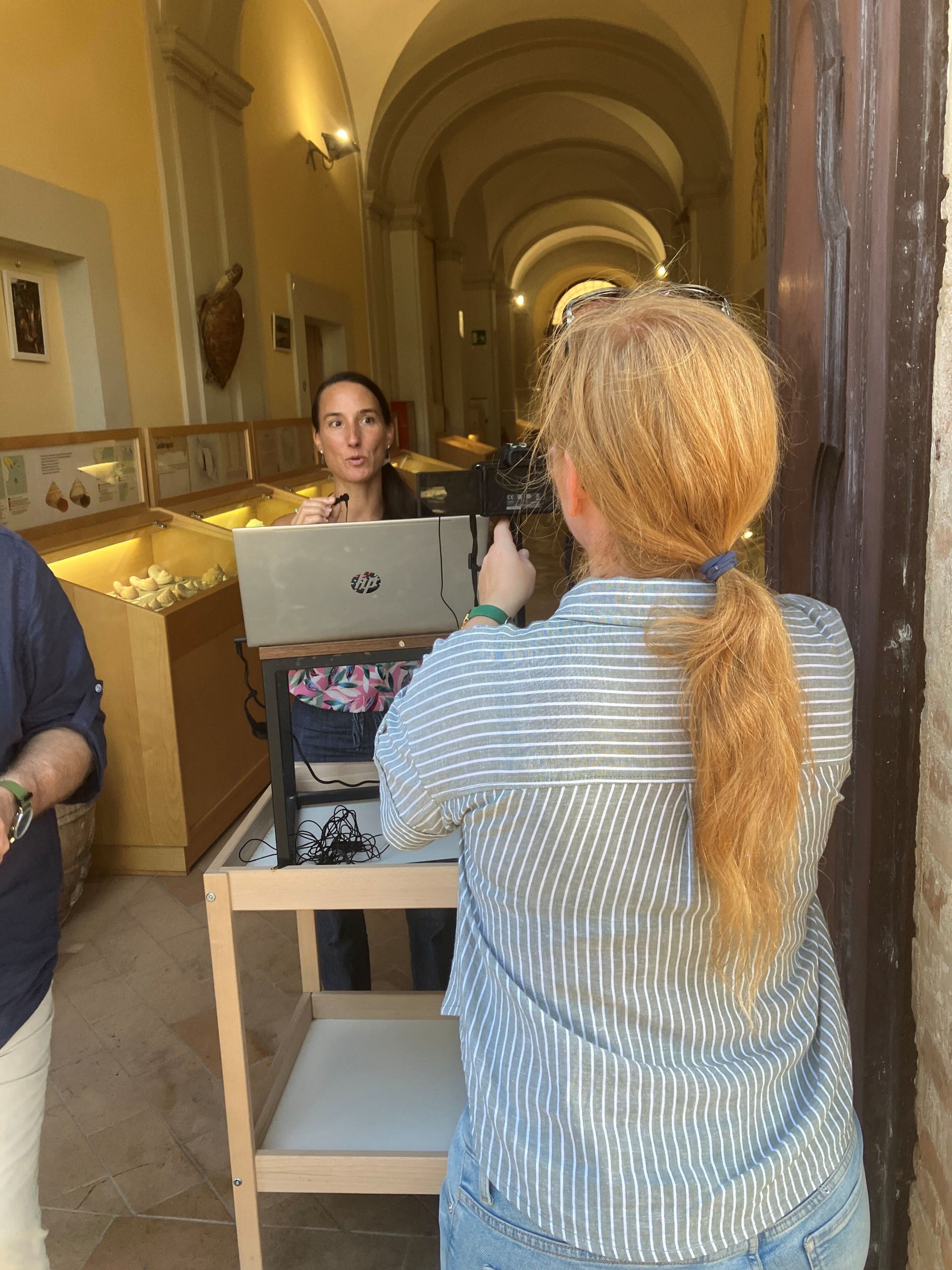
We dedicated the second part of our meeting to recording videos for the Creation and Adaptation Modules. These will be five modules, each including text and video, where we share practical, experience-based tips and guidelines on adapting your cultural mediation project for inclusive participation, accessibility, intercultural contexts, community needs, and overcoming language barriers. As you can probably imagine, recording was the easiest part. Now all the videos are in post-production – we need to trim them a bit here and there, add pictures, and, most importantly, captions so that the videos are available in all project languages – English, French, Italian and Polish. We can then say – stay tuned, follow our organisations on social media to get the latest Mediate Your Future news and… see you soon.