Text: Wenancjusz Ochmann, ARTeria
Photos: Wiktoria Słowik
When we talk about cultural heritage, it is easy to think of historic buildings, museums and monuments – things that someone has already decided are important enough to preserve. It becomes much more interesting, however, when instead of asking young people what they know about heritage, we ask them what heritage actually means to them.
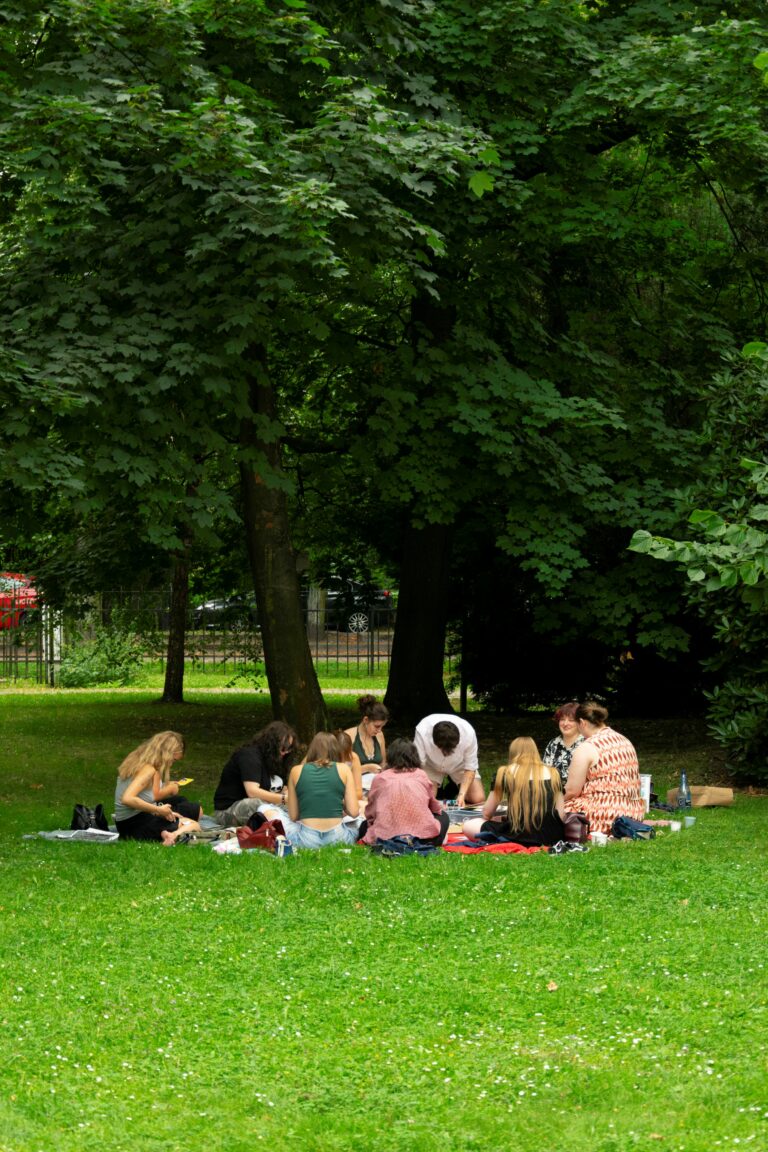
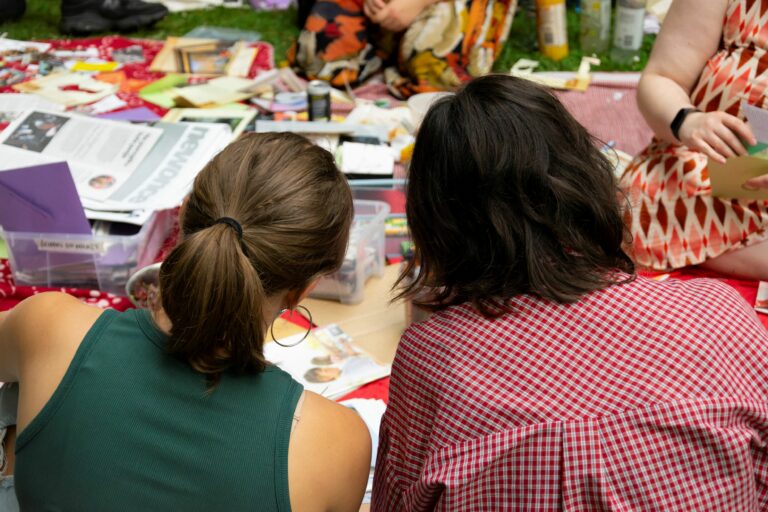
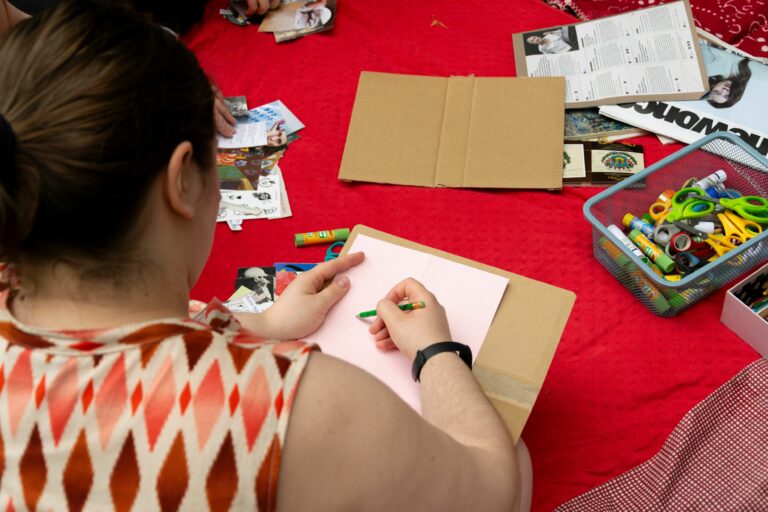
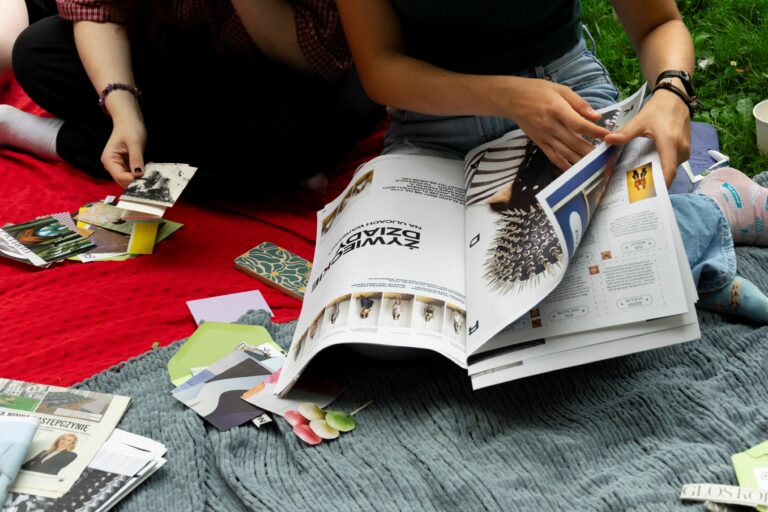
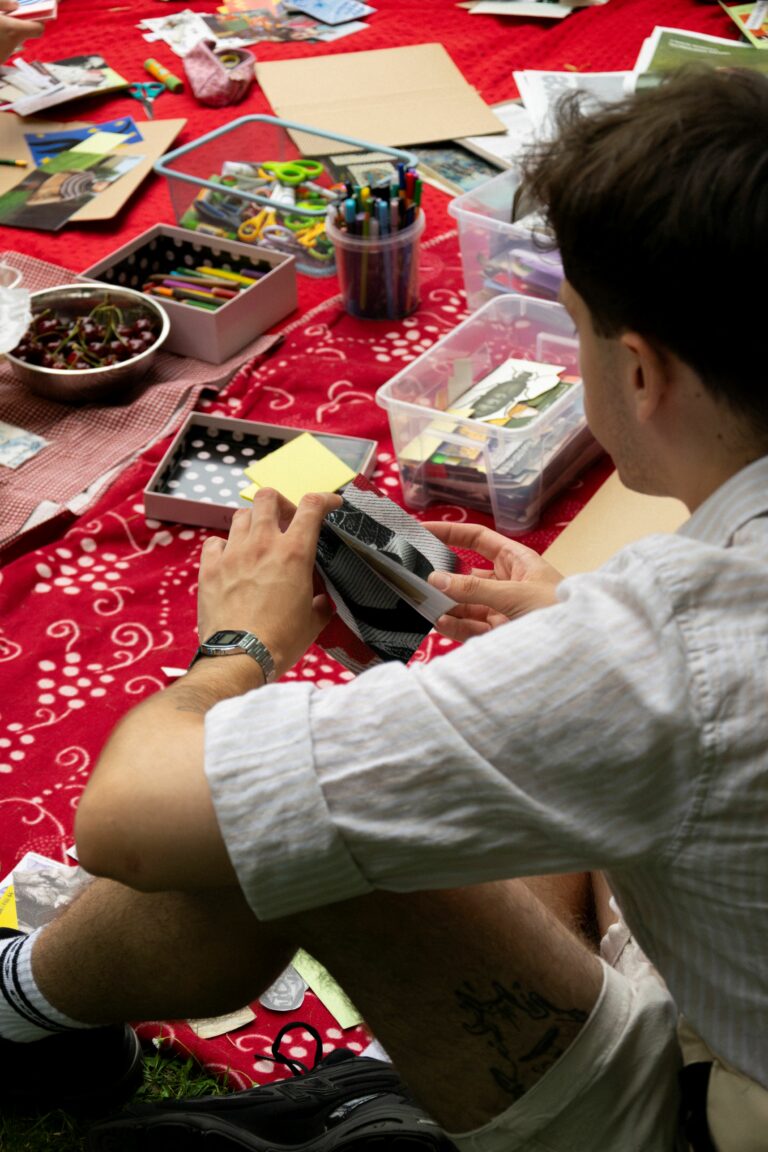
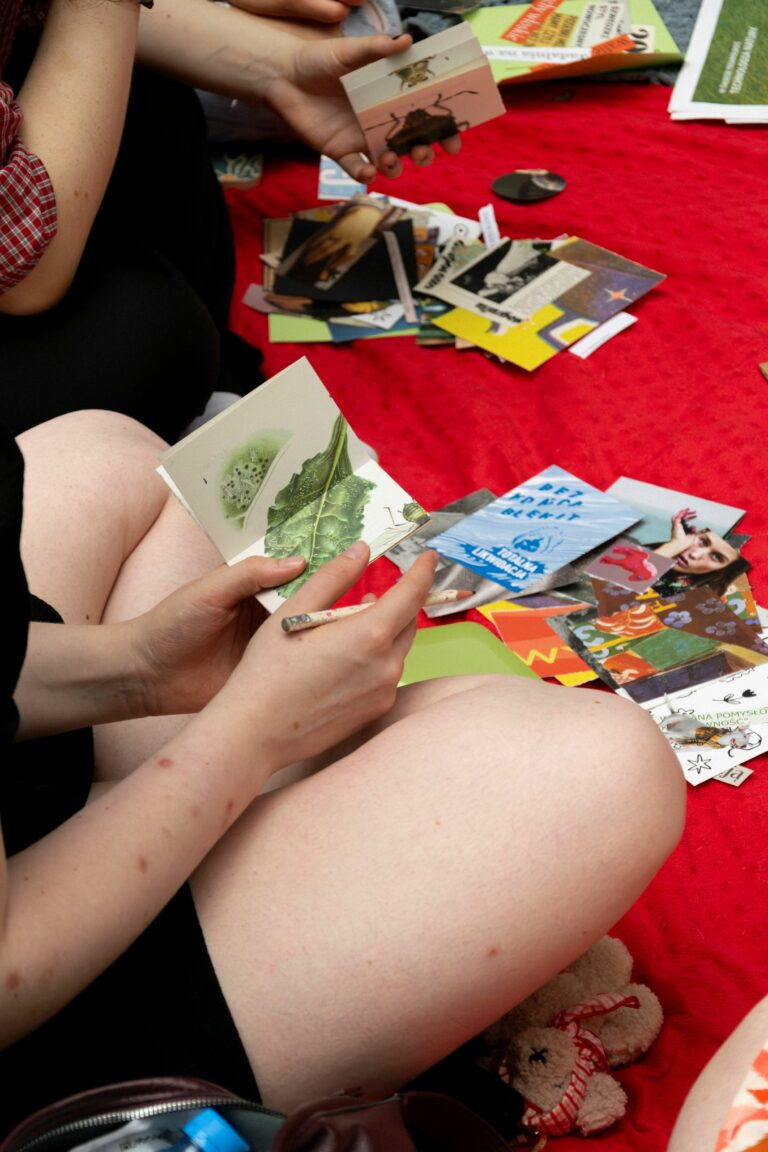
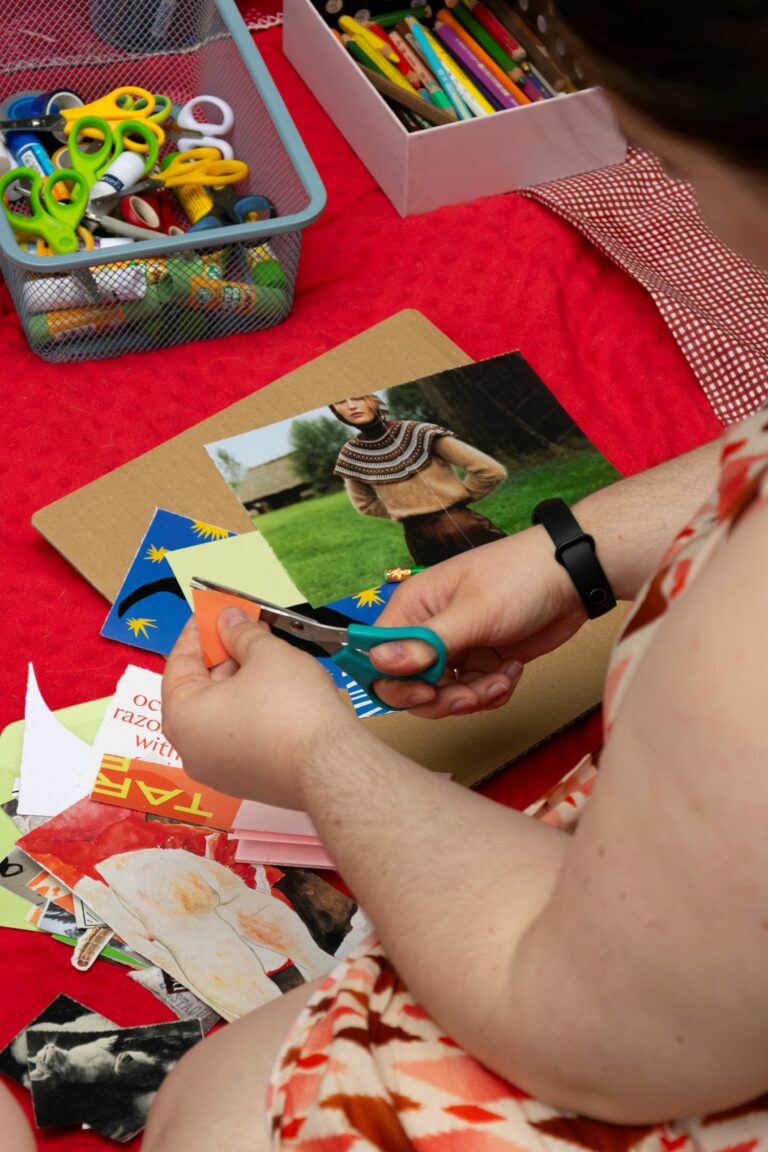
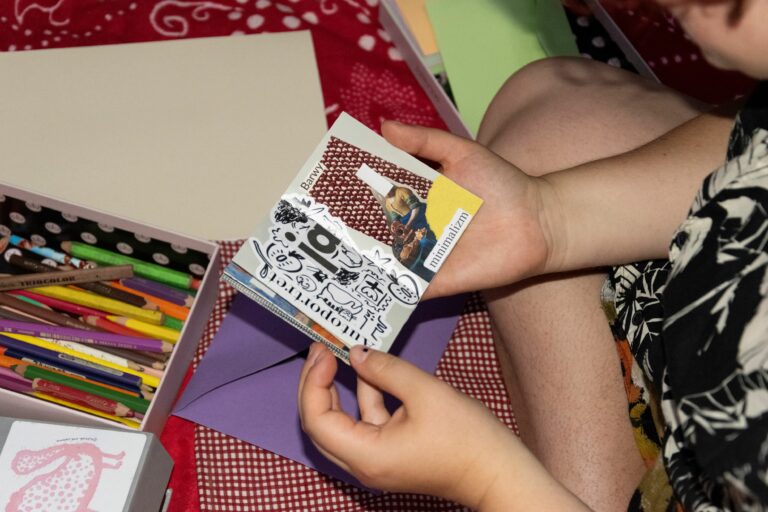
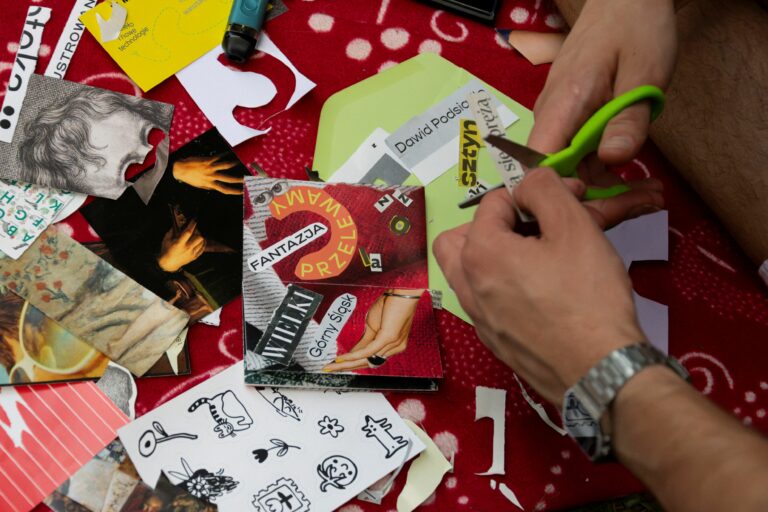
This approach inspired a zine workshop in Gliwice, led by young artists in cooperation with Fundacja ARTeria. Rather than taking place in a workshop room, the meeting was held outdoors, on blankets in a park, surrounded by paper, scissors, glue, markers, old newspapers and materials that could be freely cut, combined and transformed. The format itself was simple, but the questions that guided the creative process were not: What from the past do we want to preserve? What do we identify with? What makes us uncomfortable? What would we like to question? And who actually decides what deserves to be remembered?
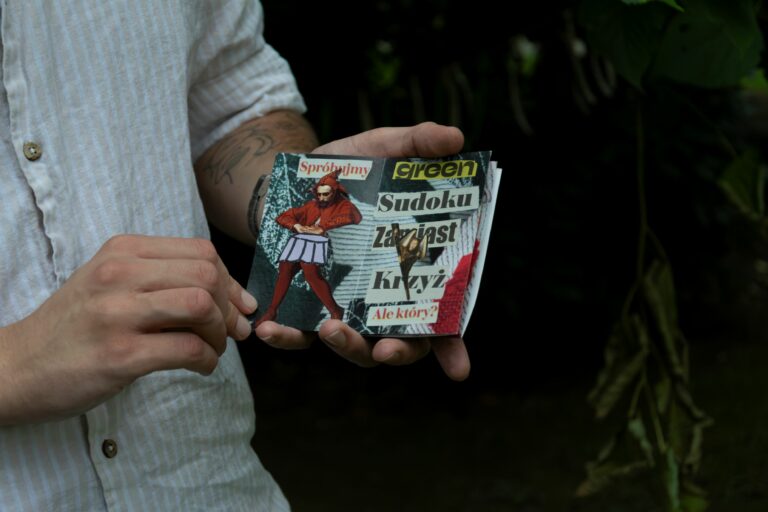
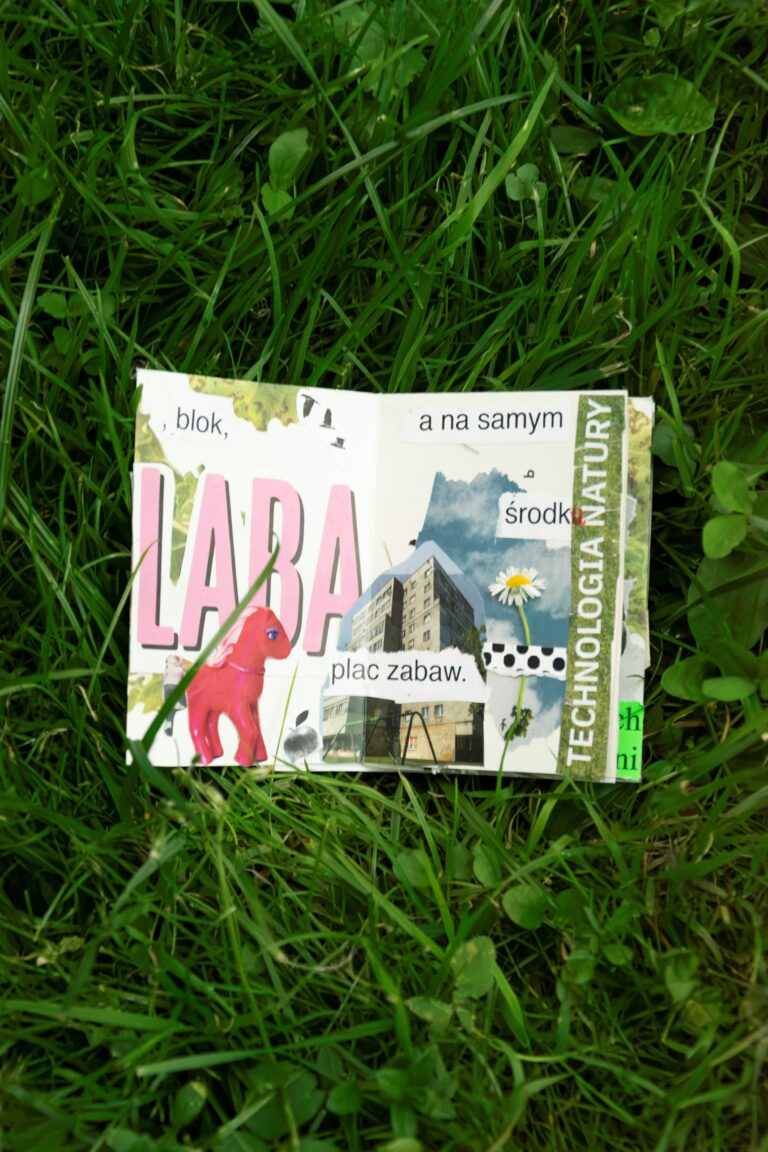
Zines proved to be a particularly good tool for this kind of reflection because they do not require a single correct answer. A photograph can sit next to a handwritten comment, a piece of text alongside a drawing, something serious next to a joke, or an element of inherited history beside a very personal response to it. No particular artistic or digital skills are required, because imperfection is not a problem here – on the contrary, it becomes part of the language through which participants can tell their own stories.
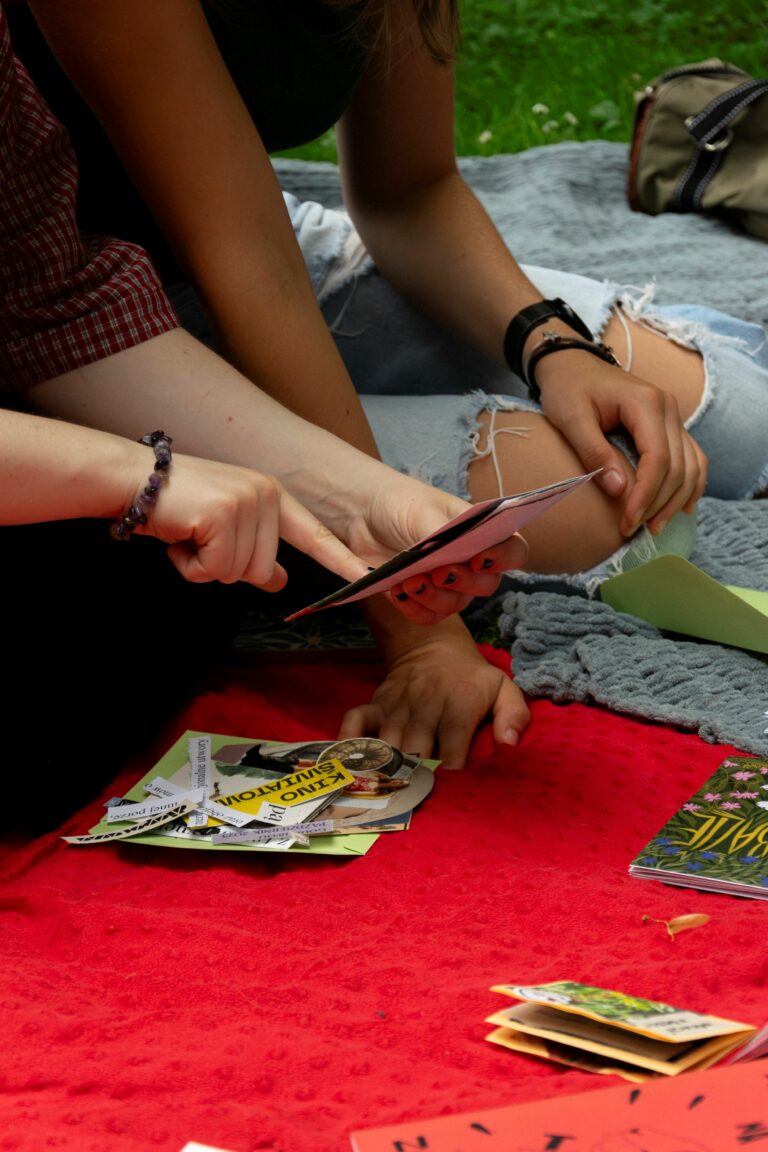
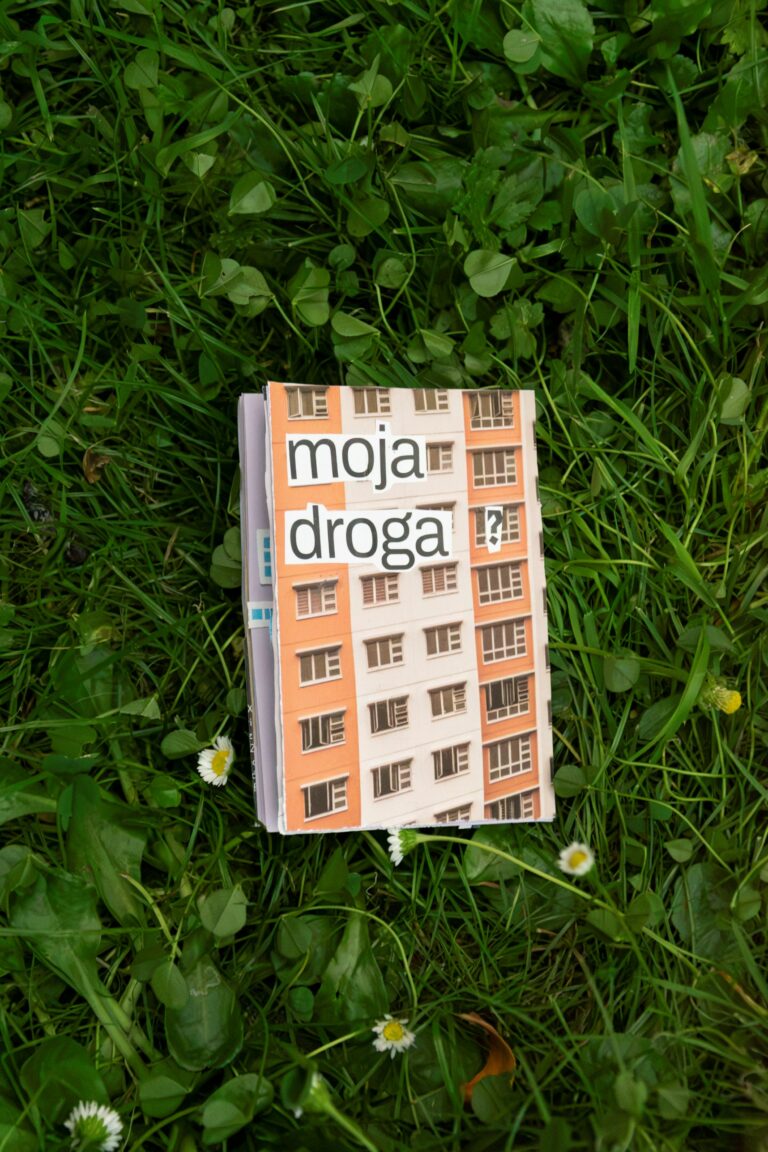
The informal setting of the park also made a difference. Working alongside one another encouraged conversation, sharing ideas and looking at each other’s work in progress, without requiring everyone to participate in the same way. Each person could decide what to show, what to keep to themselves and how far they wanted to move beyond more conventional narratives about culture and the past. After the workshop, the zines were digitised, allowing these highly personal, analogue works to reach beyond the meeting itself.
And perhaps this is where the most interesting part of the story begins. By creating their own zine, a young person is no longer simply a recipient of heritage passed on by school, family, museums or the local community. They have to decide what they want to take from these narratives, what they identify with, what they prefer to keep at a distance and where they want to add their own voice. In this way, they move from being recipients of heritage to becoming its interpreters and co-creators of meaning.
This experience also shows what cultural mediation can look like in practice and why it matters in Mediate Your Future! We do not always need a lecture about culture or a ready-made story for young people to learn. Sometimes much more can happen when we create the right conditions, offer them tools and ask a question to which we ourselves do not have a single answer.
Because heritage is not only what we receive from previous generations. It is also what we choose to do with it next.